When you open a pastel box, memories come rushing back. Every hue promises to make a mess, have fun, and get creative. Don’t worry if you’re new to pastel drawing classes. Pastel painting is fun and easy to do, like drawing with smooth butter.
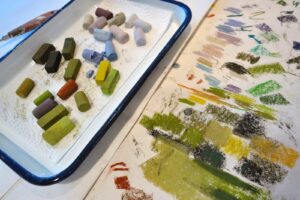
Let’s talk about pastels in general. There are oil pastels and soft pastels. Soft pastels make fine dust that breaks apart when you contact it, but they work great for seamless blends. Oil pastels are thicker and feel like a crayon with an attitude. Choose the one that makes you happy. The key is to go in without thinking twice.
Don’t skip choosing paper. Get something that feels rough. Regular printer paper is disappointing because it’s too smooth and doesn’t hold on well enough. If you’re feeling brave, you can use a sheet of sandpaper or pastel-specific paper. The surface helps your colors stay, and you can stack layers without making everything murky.
Don’t know what to draw? Fruit or basic things are classic. A bowl of apples or a pear on a cutting board are classic, won’t move, and won’t mind if you choose bright colors. Whether they are oil or soft pastels, they prefer to exhibit off bright colors here.
Mixing? Your hands were created for this, in a way. Using your fingers to mix is easy, but it can get dirty, so don’t wear your best clothes. Get a blending stump or even some tissue paper if you want to keep clean. Sometimes the most interesting elements of your painting are the mistakes you make when you blend.
It’s best to go slowly when it’s time to develop layers. Begin with darker colors. Put lightness in places where you want to feel better. Pastels look best when you apply them gently. If you press too hard, the colors will mix together into mush. Don’t worry about it; just observe what occurs. You can typically fix motions that look “off” by swiping or adding another color.
Cleaning up won’t take up your whole afternoon. Don’t go looking for harsh sponges in the cleaning closet; instead, use a gentle brush to get rid of the loose pastel. It’s easy to fix your art. Just spray it with fixative spray or hairspray if you don’t have any on hand. Use a gentle touch; excessive spraying makes the details less clear.
Things that seem crazy and unplanned at first are only part of the learning process. Let colors float, play about, and turn up some music in the background. It’s nice to get your hands filthy while you explore.
If you want to be with other people, think about joining a beginner’s club or class. It makes learning easier when you share ideas and jokes. Hang up those earliest items in your own gallery. Each one will remind you of how far you’ve come.
Every time you swipe a pastel, you feel free and happy. Be kind to yourself as you try new things. Over time and with laughter, you’ll find your own style, and those bright colors will tell your narrative. You can paint outside the lines if you want to. There are no regulations that stop you.